

SmartDNA Nigeria
4 min read • June 30, 2026
What is DNA and Why Is It Important?
Understanding DNA: The Blueprint of Life
DNA, short for Deoxyribonucleic Acid, is one of the most important molecules found in living organisms. It contains the genetic instructions that tell cells how to grow, function, repair themselves, and reproduce. Every human, animal, plant, and many microorganisms rely on DNA to carry the information needed for life.
DNA is found inside the nucleus of most cells and is organized into structures called chromosomes. Humans have 46 chromosomes, arranged in 23 pairs, and together they contain approximately 20,000 to 21,000 genes. These genes act as instructions for producing proteins, which perform countless essential functions throughout the body.
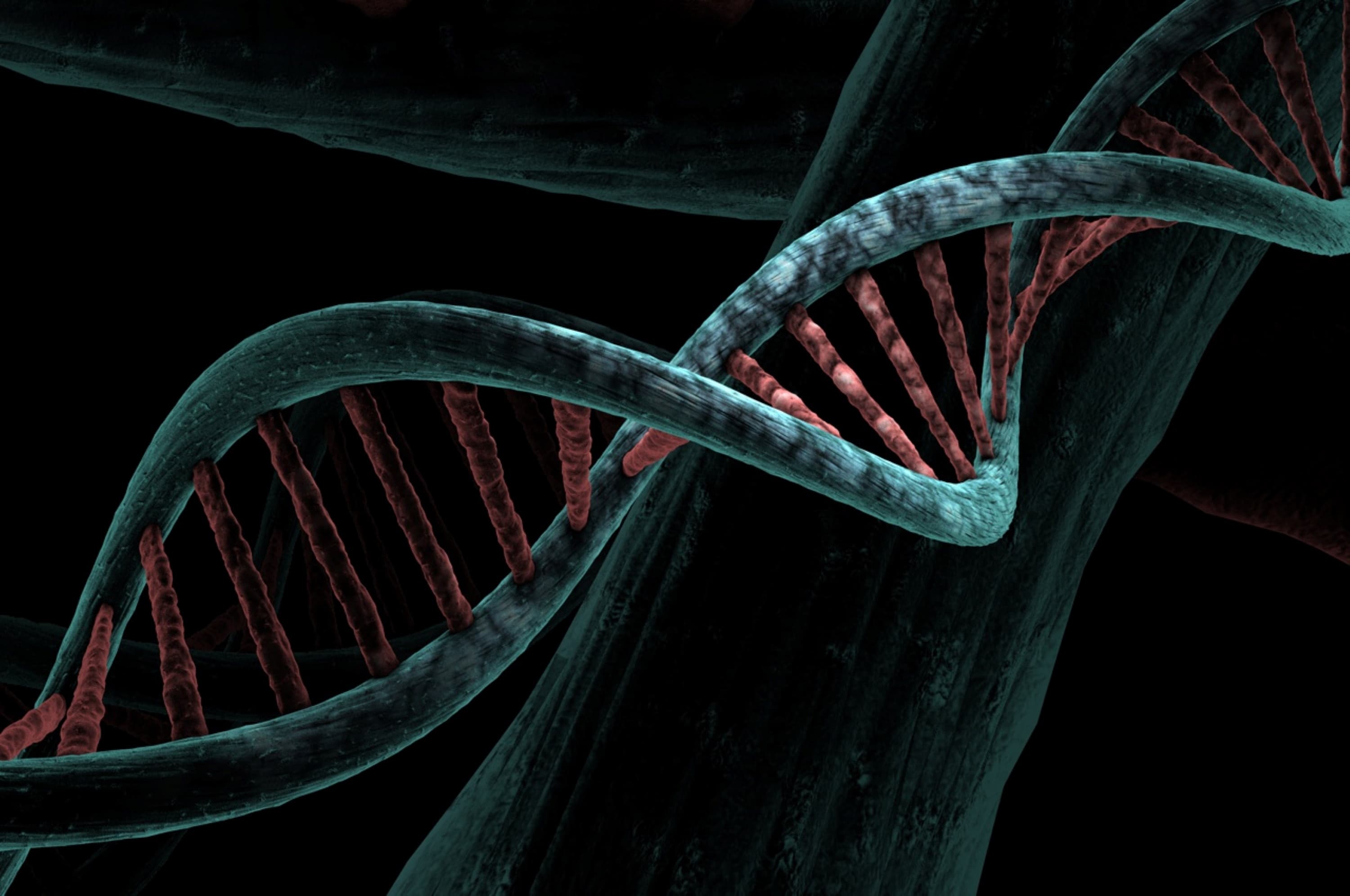
One of DNA's most recognizable features is its double helix structure, discovered by James Watson and Francis Crick in 1953, based on crucial work by Rosalind Franklin and Maurice Wilkins. The double helix resembles a twisted ladder, with the sides made of sugar and phosphate molecules, while the "rungs" consist of four nitrogen bases:
Adenine (A) pairs with Thymine (T)
Cytosine (C) pairs with Guanine (G)
The unique sequence of these four bases forms the genetic code that makes every individual unique.
Why Is DNA Important?
DNA plays a vital role in virtually every aspect of life. It:
Stores the genetic information passed from parents to their children.
Controls how cells develop, grow, and perform specialized functions.
Helps repair damaged cells and tissues.
Directs the production of proteins that keep the body functioning properly.
Contributes to inherited traits such as eye color, hair texture, height, and even susceptibility to certain diseases.
Although every cell in your body contains essentially the same DNA, different genes are switched on or off depending on the cell's role. For example, skin cells, muscle cells, and nerve cells all contain identical DNA but use different sets of genes.
DNA in Medicine and Science
Modern science has transformed our understanding of DNA, leading to breakthroughs in medicine and biotechnology. Today, DNA analysis is used to:
Detect inherited genetic disorders before symptoms appear.
Develop personalized treatments based on an individual's genetic makeup.
Identify infectious diseases more quickly and accurately.
Assist in cancer diagnosis and targeted therapies.
Support organ transplant compatibility testing.
Genetic research continues to open new possibilities for treating diseases that were once considered incurable.
DNA in Forensics
DNA has revolutionized criminal investigations. Because nearly every person's DNA is unique (except identical twins), forensic scientists can compare DNA collected from crime scenes with DNA from suspects or national databases. This technology is also widely used for:
Identifying disaster victims.
Establishing family relationships and paternity.
Exonerating wrongly convicted individuals.
Solving cold cases that remained unsolved for decades.
DNA and Ancestry
Many people use DNA testing to learn more about their family history and ancestral origins. By comparing genetic markers with large databases, scientists can estimate where a person's ancestors lived and identify distant relatives across the world.
While ancestry tests provide fascinating insights, they should be interpreted alongside historical records and family history for the most complete picture.
The Future of DNA Research
Scientists continue to make exciting discoveries about DNA. Technologies such as gene editing are creating new opportunities to treat inherited diseases, improve agriculture, and develop more effective medicines. As research advances, DNA will remain at the center of innovations that could transform healthcare and improve quality of life for future generations.
Conclusion
DNA is often called the blueprint of life because it contains the instructions that make every living organism possible. From determining our inherited traits to advancing medicine, solving crimes, and tracing human ancestry, DNA influences nearly every aspect of biology. As scientific knowledge continues to grow, understanding DNA will remain essential to unlocking new discoveries that benefit humanity and deepen our understanding of life itself.