


SmartDNA Nigeria
9 min read • April 9, 2026
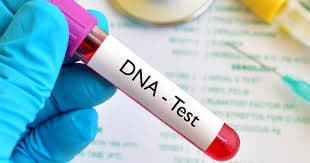
5 Factors that can affect the accuracy of a DNA Test
Today, DNA testing has emerged as one of the most trusted scientific methods for providing clear answers in matters such as paternity, ancestry, and genetic identification. But how reliable are these tests when the results carry significant emotional, medical, or legal consequences? In reality, professionally conducted DNA tests are extremely accurate, often reaching accuracy levels above 99.9 percent. However, achieving such precision depends on more than just advanced technology. The reliability of a DNA test is closely tied to the entire testing process, including how the DNA sample is collected, handled, and analyzed in the laboratory. Even small mistakes at any stage can potentially influence the outcome.
Understanding the factors that may affect DNA test accuracy is therefore essential for ensuring that the results remain trustworthy and scientifically sound.
In this article, we explore the key factors that can affect DNA test accuracy, common misconceptions, and best practices to ensure results you can trust. Understanding these factors is essential for ensuring that the results remain trustworthy and scientifically sound.
Understanding Your DNA Results: It’s Not Just Yes or No
The results of a DNA paternity test are typically presented in terms of a “Probability of Paternity.”
- Inclusion (He is the Father): If the alleged father’s DNA matches the child’s at the required markers, the report will state a probability of paternity of 99.9% or higher. This extremely high probability provides conclusive evidence of a biological relationship.
- Exclusion (He is not the Father): If there are three or more mismatches between the alleged father’s and the child’s DNA profiles, he is excluded as the biological father with 100% certainty.
Factors That Can Affect DNA Test Accuracy
While DNA tests are widely recognized for their remarkable precision, In rare instances, certain factors can influence the outcome of a DNA test, potentially leading to unexpected or inaccurate results. Understanding these possibilities can help individuals interpret results with confidence and take appropriate precautions when necessary.
1. Sample Contamination: Contamination can occur in several ways. For example, touching the swab with unwashed hands, allowing it to come into contact with other surfaces, or mixing up samples between individuals can all introduce unwanted DNA. Even simple actions like eating, drinking, or smoking shortly before sample collection can affect the quality of the DNA obtained.
Because of this, laboratories provide strict guidelines for sample collection. These instructions are designed to minimize the risk of contamination and ensure that the DNA being analyzed is accurate and reliable. Proper labeling, handling, and storage of samples are equally important, especially when multiple individuals are being tested.
Ultimately, even the most advanced DNA testing technology cannot compensate for a poorly collected or contaminated sample. Ensuring a clean and properly handled sample is therefore one of the most critical steps in obtaining trustworthy DNA test results.
2. DNA Mutations: Genetic mutations are a well-recognized factor in DNA paternity testing. In rare cases, a single—or, very rarely, double—locus mismatch may occur between a father and child even when they are biologically related. Nevertheless, professional paternity tests remain over 99.9% accurate, as testing laboratories employ advanced statistical methods and analyze multiple genetic markers to distinguish between a true mutation and a true non-exclusion.
When minor discrepancies are detected, they do not immediately conclude exclusion but instead carry out additional testing, analyze more DNA markers, or repeat the process if necessary. This careful approach ensures that even in the presence of rare mutations, results remain accurate and reliable, reinforcing the overall trust in DNA testing.
3. Closely Related Suspected Fathers: When two or more potential fathers are closely related—such as brothers or other close male relatives—it can be difficult to obtain accurate DNA test results. This is because close relatives share a significant portion of their DNA, making their genetic profiles appear very similar. As a result, a standard paternity test may struggle to distinguish between them with certainty.
When potential fathers are close relatives, labs can still get accurate results by testing more DNA markers, including the mother’s sample, or using specialized kinship analysis. These extra steps help tell even very similar genetic profiles apart.
4. Chimerism: One of the rarest scenarios that can affect DNA testing is Chimerism. A chimera is really like two siblings rolled up into one person. Imagine that a mom is going to have fraternal twins. Fraternal twins happen when two different eggs are fertilized by two different sperm. These twins are no more similar than any siblings. Now imagine that at a very early stage, these twins fuse together to make a single person. This single, fused person is a chimera.
Let’s say at the fusion stage, there are 8 cells from each sibling. These 16 cells divide and divide until there are the trillions of cells that make up a baby. Half of these trillions of cells will come from one sibling and half from the other. Let’s say that one sibling’s cells were responsible for all of the chimera’s sperm, and the other sibling’s cells were responsible for cheek and blood cells. Human chimeras therefore have two different sets of cells, with two different sets of DNA.
Now the chimera fathers a child. To test if he is the father, the testing company looks at the DNA of his cheek cells or his blood. Because the DNA in the tested cells is different from the DNA in the sperm, there is a chance that the test may not identify the man as the father. Why only a chance? Because the different DNAs came from two people who would have been siblings if they hadn’t fused together, and brothers can sometimes not be told apart with standard DNA testing. So the chimera might come out looking like the dad, or he might not. Further testing in this case would rule him out as the dad. No one knows how common chimerism is, but it is thought to be pretty rare so this scenario might not happen often, but it is a real possibility.
5. Fraud: Deliberately providing incorrect or substituted samples undermines the integrity of the entire testing process and constitutes fraud. When the DNA submitted does not belong to the individuals being tested, the results produced will be misleading and unreliable.
To prevent this, reputable laboratories enforce strict identification and chain-of-custody procedures, especially for legal or immigration-related tests. These measures ensure that each sample is properly verified and linked to the correct individual.
Ultimately, the accuracy of a DNA test depends on honesty and transparency during sample submission. Any attempt to manipulate the process not only leads to false results but can also have serious legal and ethical consequences.
How to Ensure Reliable DNA Test Results
The reliability of your DNA paternity test result depends on the quality of the laboratory conducting the analysis. Here’s what to look for when choosing a testing facility:
- Accreditation: Ensure the laboratory is accredited by reputable organizations such as AABB (Association for the Advancement of Blood & Biotherapies) or ISO 17025. This indicates that the lab adheres to the highest standards of quality and accuracy.
- Experience and Expertise: Choose a lab with a proven track record in DNA testing.
- Clear and Comprehensive Reports: The laboratory should provide a detailed report that is easy to understand, clearly stating the probability of paternity.
- Confidentiality and Customer Support: The lab should have a strict privacy policy and offer professional and accessible customer support to answer any questions you may have.
Common Myths About DNA Test Accuracy
Despite the growing use of DNA testing, many misconceptions still surround how it works and what it involves. Understanding the facts can help individuals make informed decisions.
DNA Testing Requires Only Blood
While blood sample can be used for DNA testing, it is not the only option. DNA exists in almost every cell in the body. One of the most widely used methods today is the cheek swab, where a soft cotton swab is gently rubbed inside the cheek to collect epithelial cells. These cells provide sufficient DNA for accurate testing, making the process simple and non-invasive.
The Father Must Always Be Present
Although having the alleged father present can simplify the process, it is not always necessary. Advances in genetic science now allow paternity to be established using DNA samples from other relatives, such as grandparents. This provides alternative options when the alleged father is unavailable.
DNA Paternity Tests Are Not Accurate
In reality, DNA paternity tests are highly accurate and widely accepted as reliable evidence, even in legal settings. When conducted by accredited laboratories and under proper procedures, results are typically over 99.9% accurate, making them one of the most dependable forms of biological verification.
Conclusion
DNA testing has become a powerful and reliable tool for establishing biological relationships, but the accuracy of the results ultimately depends on how the process is carried out. From proper sample collection to choosing a reputable laboratory, every step plays a crucial role in ensuring trustworthy outcomes.
Ultimately, getting results you can trust is not just about the test itself, it’s about making informed choices, following the right procedures, and relying on credible professionals. With the right approach, DNA testing can offer not only answers but also peace of mind.
DNA testing has transformed the way we seek answers about identity, health, and biological relationships. Its high level of accuracy makes it a dependable tool, especially when results carry significant emotional, medical, or legal weight. However, true reliability goes beyond the science itself; it depends on careful handling, proper procedures, and informed interpretation.
Equally important is eliminating common misconceptions. DNA testing is safe, confidential, and highly precise when done correctly. It does not inherently create conflict but can instead provide clarity, resolve uncertainties, and support better decision-making.
In the end, getting results you can trust means combining reliable science with responsible choices. By understanding the process, choosing the right testing provider, and approaching the results with clarity, individuals can confidently rely on DNA testing as a source of truth and peace of mind.
REFERENCES
- https://thatdnacompany.com/myths-and-misconceptions-about-dna-paternity-testing
- https://medpro.co.th/dna-paternity-test-accuracy/?v=3678880a8f79