


SmartDNA Nigeria
10 min read • April 17, 2026
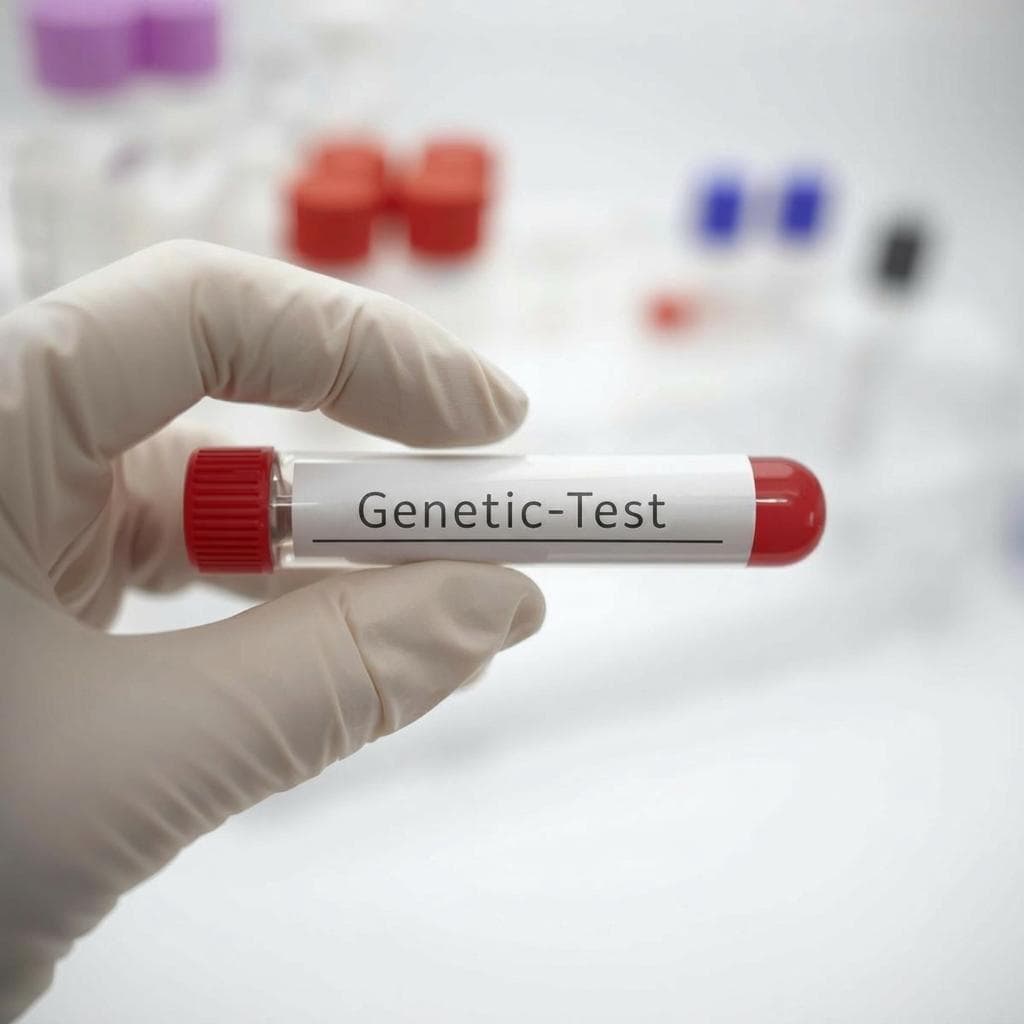
Genetic Testing and Disease risk: What you should know
Genetics play a powerful role in shaping who you are. Not just in how you look, but in how your body works and how healthy you might be over time. Hidden inside your DNA are instructions that guide everything from how your body responds to the environment to your risk of developing certain diseases.
Now think about it this way. Every person has small differences in their DNA. Most of these differences don’t really matter, they don’t affect your life in any noticeable way. But some of them can increase the chances of developing certain health conditions. The tricky part is that these changes are often silent. You won’t see them or feel them until symptoms start to appear, and sometimes that can be much later in life.
This is where genetic testing comes in. By analyzing your DNA, it can pick up on these hidden changes before they become a problem. It doesn’t always give a simple yes-or-no answer, but it gives you important information about your health risks and what you can do about them.
As science continues to improve, genetic testing is becoming more available and more useful. Understanding what it can and cannot tell you is becoming increasingly important. In this article, we explore everything you need to know about genetic testing and how it can shape your health decisions now and in the future.
What Is Genetic Testing?
Genetic testing is a way of looking closely at a person’s DNA to find out if there are any changes in their genetic material. This is usually done using a sample like blood, saliva, or other body tissues. The goal is to see whether a person has a genetic condition or might develop one in the future.
Now think about what this means in real life. Instead of waiting for symptoms to appear, genetic testing can give early clues about what might be happening inside the body. This information can help doctors confirm a diagnosis, begin treatment early, or even prevent certain conditions from developing. It can also guide important life decisions, like planning a family or understanding long-term health risks.
There are different types of diseases that can be linked to genetics. Some are caused by changes in entire chromosomes. These are called chromosomal disorders, and examples include Down syndrome (Trisomy 21), Fragile X syndrome, Klinefelter syndrome, Turner syndrome, Trisomy 18, and Trisomy 13.
Other conditions are more complex. These are known as multifactorial disorders, where both genes and lifestyle or environmental factors play a role. Examples include conditions like Alzheimer’s disease, arthritis, autism spectrum disorder, cancer, coronary artery disease, diabetes, migraines, spina bifida, and certain heart defects.
Then there are monogenic disorders, which are caused by a change in a single gene. These tend to run strongly in families. Examples include cystic fibrosis, congenital deafness, Duchenne muscular dystrophy, familial hypercholesterolemia, hemochromatosis, neurofibromatosis type 1, sickle cell disease, and Tay-Sachs disease.
All of these examples show just how much information is hidden in our DNA and how genetic testing can help bring that information to light.
Who Should Consider Genetic Testing?
Genetic testing can be useful for many people, especially those with certain health concerns or a family history of disease. It helps individuals better understand their risks and make informed decisions about their health and future.
1. Family History of Genetic Conditions:
Consider a family where multiple relatives have died from cancer, perhaps a mother, an aunt, and even a grandmother, all affected at relatively young ages. For someone growing up in that family, the fear and uncertainty can be overwhelming. Genetic testing can help determine whether they carry the same inherited risk and what steps they can take to protect their health. This is especially important for families with repeated cases of cancers such as breast, ovarian, or pancreatic cancer. With this knowledge, individuals can begin early screenings, adopt preventive measures, and work closely with doctors to reduce their risk.
2. Family Planning and Pregnancy:
Now think about a couple preparing to start a family. They may both appear healthy, but unknowingly carry genes for inherited conditions like sickle cell disease or cystic fibrosis. Without testing, they may only discover this risk after having an affected child. Genetic testing allows them to understand these risks ahead of time, make informed decisions, and prepare for any medical needs their child may have. It can also help identify potential developmental or genetic conditions early, giving parents time to plan and seek appropriate care.
3. Diagnostic Purposes:
In some cases, a person may begin to notice unusual symptoms—such as memory loss, muscle weakness, or unexplained health changes—that raise concerns. Without clear answers, this can be frustrating and frightening. Genetic testing can help confirm whether these symptoms are linked to inherited conditions, such as Huntington’s disease. With a confirmed diagnosis, individuals and their families can better understand what to expect and take steps toward proper treatment and support.
4. Medication Management (Pharmacogenomics):
There are also situations where someone takes medication but does not respond as expected, or experiences severe side effects. This can be confusing and discouraging. Genetic testing can reveal how a person’s body processes certain drugs, helping doctors choose medications that are more effective and safer. Instead of trial and error, treatment becomes more precise, reducing risks and improving overall outcomes.
Benefits of Genetic Testing: What You Can Gain
- Relief from Uncertainty:
Living with unanswered health questions can be stressful. Many people worry about conditions that run in their families or unexplained symptoms they may develop over time. Genetic testing helps remove some of that uncertainty by providing clearer insights into what risks actually exist. Even when results show a higher risk, having that knowledge can bring a sense of control, allowing individuals to focus on what they can do rather than fear the unknown.
- Informed Healthcare Decisions:
Genetic test results give both individuals and healthcare providers valuable information for making better medical decisions. For example, knowing your genetic risk can influence how often you go for screenings, the type of lifestyle changes you adopt, or the kind of medical advice you follow. Instead of a one-size-fits-all approach, healthcare can become more personalized and tailored to your specific genetic profile.
- Avoiding Unnecessary Medical Procedures:
In some cases, people undergo frequent tests or screenings simply because of uncertainty or family history. A negative genetic test result can help rule out certain conditions, reducing the need for repeated checkups, invasive procedures, or ongoing monitoring. This not only saves money and time but also reduces the emotional stress that often comes with constant medical testing.
- Access to Prevention and Treatment Options:
When a genetic test identifies a potential health risk, it opens the door to early action. This might include preventive measures such as lifestyle changes, regular monitoring, or even medications to reduce the risk of developing a condition. In some cases, early detection can lead to treatments that are more effective because the condition is identified before symptoms become severe.
- Family Planning and Early Intervention:
Genetic testing can play an important role when individuals or couples are planning to have children. It can reveal whether they are carriers of certain inherited conditions and the likelihood of passing them on. This allows families to make informed decisions and prepare for any potential health needs. In addition, newborn genetic screening helps identify disorders early in life, ensuring that treatment can begin as soon as possible and improving long-term outcomes for the child.
Understanding Your Results: What Do They Really Mean?
Understanding genetic test results is not always straightforward. Rather than giving a simple “yes” or “no,” they provide insights into disease risk, carrier status, or genetic variations, and are best interpreted alongside personal and family medical history with professional guidance:
1. Positive Result:
Consider someone from a family where several relatives have had cancer. After taking a genetic test, they are told they carry a gene linked to a higher risk of developing the disease. This is called a positive result. It doesn’t mean they currently have cancer, or that they will definitely develop it, but it does mean their risk is higher than average. This information can be life-changing, it allows them to begin regular screenings, take preventive steps, and make informed health decisions. It may also be important for other family members, who might share the same genetic risk.
2. Negative Result:
Now think about someone who has always worried because of a strong family history of a genetic condition. After testing, the result comes back negative, meaning no known harmful genetic changes were found. This can bring a huge sense of relief, as it may suggest they are not at increased risk or not a carrier of that condition. However, it’s important to understand that a negative result doesn’t always mean zero risk. Some genetic changes may not be detected, and in some cases, further testing or monitoring may still be recommended.
3. Uncertain Result:
There are also situations where the results are not clear. For example, a test may find a genetic variation, but doctors are not yet sure what it means. This is known as a variant of uncertain significance (VUS). Imagine being told that something unusual was found in your DNA, but no one can say whether it is harmful or harmless. This can be confusing and even stressful. In such cases, additional research, follow-up testing, or testing of other family members may be needed to better understand the result.
Conclusion: Making Informed Decisions About Your Health
Genetic testing has significantly transformed the way we understand health, shifting the focus from simply treating illness to predicting and, in many cases, preventing it. By uncovering valuable insights hidden within our DNA, individuals are now better equipped to take proactive steps toward managing their overall well-being. However, while the information it provides can be empowering, it is not always absolute and must be approached with careful thought and proper understanding.
Making informed decisions about your health involves more than just knowing your genetic risks. It requires a clear understanding of what those results truly mean, as well as guidance from qualified healthcare professionals who can interpret them accurately. In addition, genetic information should always be considered alongside other important factors such as lifestyle choices, environmental influences, and personal medical history. In this way, genetic testing serves as a powerful tool—but not a final verdict on one’s health.
Ultimately, the goal is to use this knowledge wisely: to adopt healthier habits, make thoughtful medical choices, and plan for the future with greater awareness. As science continues to advance, individuals who stay informed and engaged will be better positioned to take control of their health and lead longer, healthier lives.
References
- Genetic Alliance; The New York-Mid-Atlantic Consortium for Genetic and Newborn Screening Services. Understanding Genetics: A New York, Mid-Atlantic Guide for Patients and Health Professionals. Washington (DC): Genetic Alliance; 2009 Jul 8. APPENDIX G, GENETIC TESTING. Available from: https://www.ncbi.nlm.nih.gov/books/NBK115571/
- MedlinePlus [Internet]. Bethesda (MD): National Library of Medicine (US); [updated Jun 24; cited 2020 Jul 1]. Available from: https://medlineplus.gov/.
- MedlinePlus [Internet]. Bethesda (MD): National Library of Medicine (US); [updated 2020 Jun 24]. Noonan syndrome; [updated 2020 Jun 18; reviewed 2018 Jun 01; cited 2020 Jul 1]; [about 5 p.]. Available from: https://medlineplus.gov/genetics/condition/noonan-syndrome/.
- Medical review (expert opinion). Mayo Clinic. Sept. 12, 2025.